
Laboratory coordinator · Master's in psychoeducation
Marc-André Massé
Coordinate the laboratory’s scientific activities and pursue his master’s project, supported by a SSHRC CGS-M scholarship.
 LOCO LabHuman ethology laboratory
Human ethology laboratory
At LOCO Lab, every research project begins with a person and a question. Under the direction of Pierrich Plusquellec, each person takes ownership of their project.

LOCO
also spots blind spots.
« My role is not to have people carry out a predetermined research program, but to create a setting where each person can build their own scientific identity. »
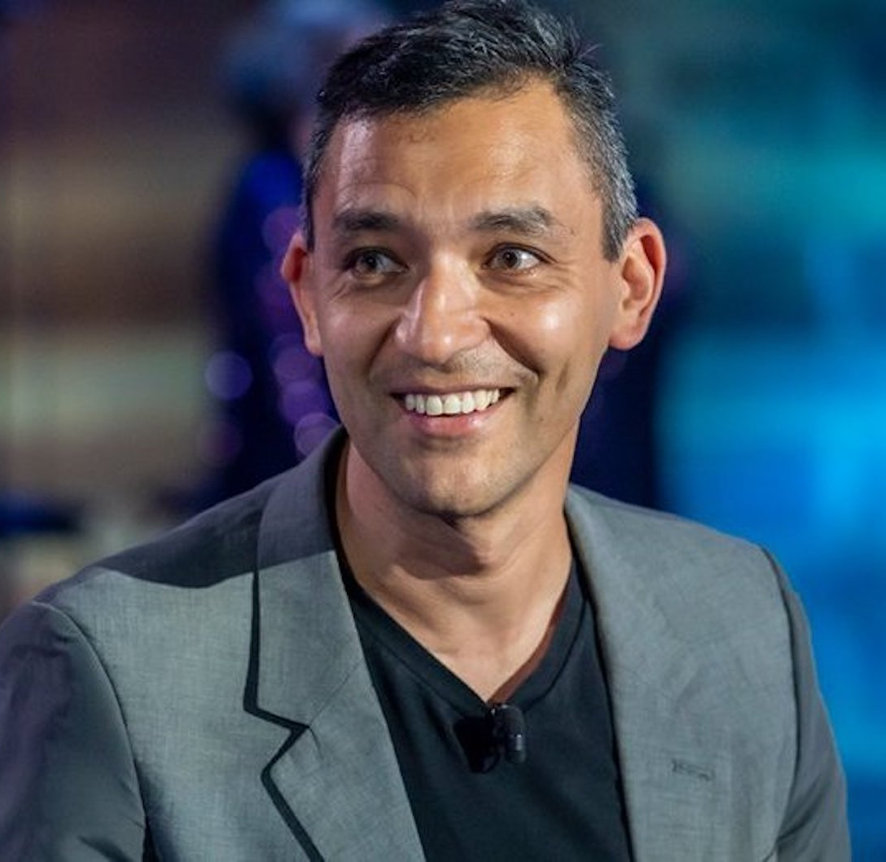
Pierrich PlusquellecDirector of LOCO Lab
Full Professor
Our scientific perspective
Ethology is the biological study of behaviour. It seeks to understand what triggers our actions, how they develop, and how they help us adapt to our environment. At LOCO Lab, we apply this perspective to human behaviour: emotions, nonverbal communication, stress, social interactions, and new observation technologies. Our projects differ, but they share one conviction: to understand a person, we must observe what they experience, what they express, and the environment in which they live.
People first
The laboratory brings together a method, infrastructure, and a network. Each person develops their own scientific voice.
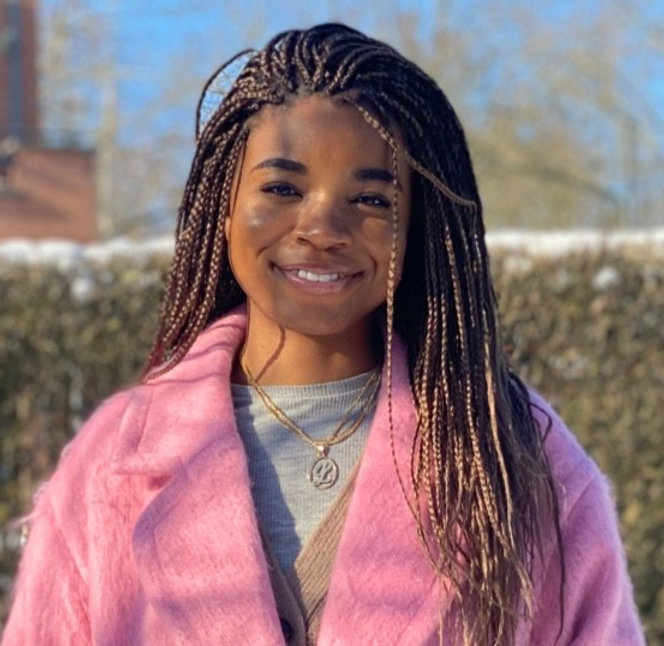
Coordinate the laboratory’s scientific activities and pursue his master’s project, supported by a SSHRC CGS-M scholarship.
Turn climate emotions into a catalyst for action rather than a source of distress.
Understand the emotional well-being of contact-centre agents and help establish responsible boundaries for affective AI.

Characterize emotional dysregulation and complex trauma using affective computing.
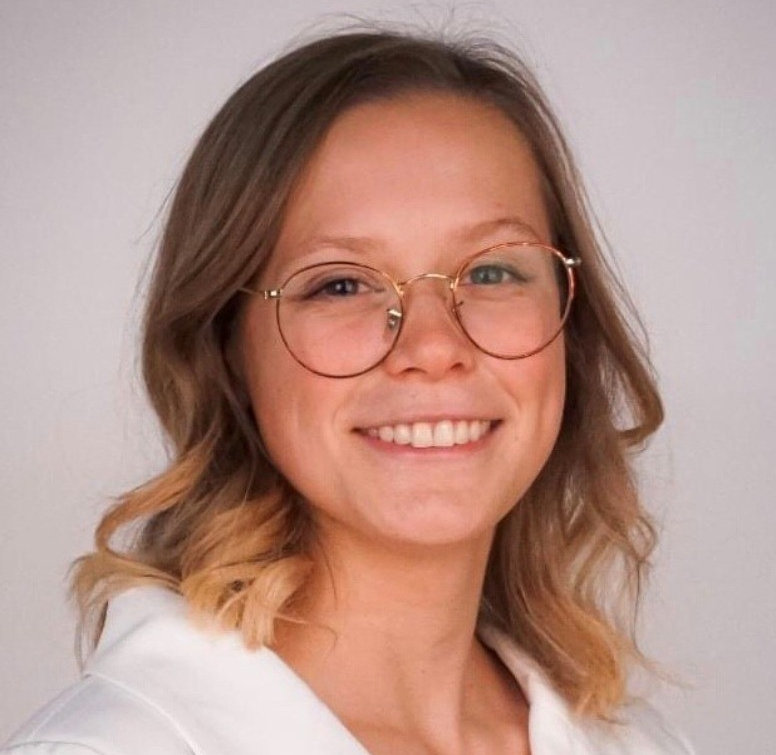
Study civic engagement and social support among older adults.
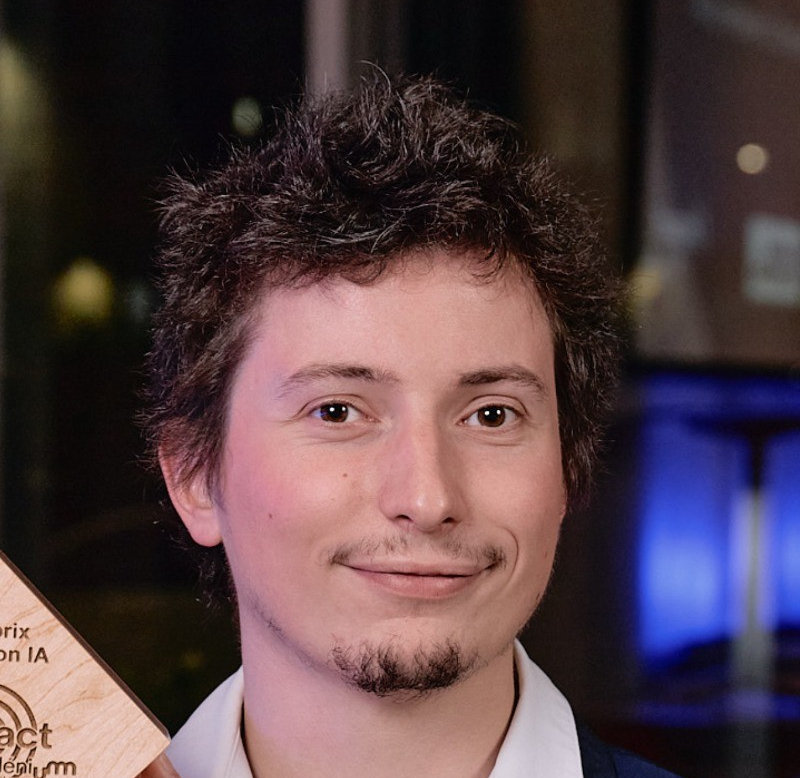
Use AI and observable behaviour to support the early detection of neurodegenerative disorders.
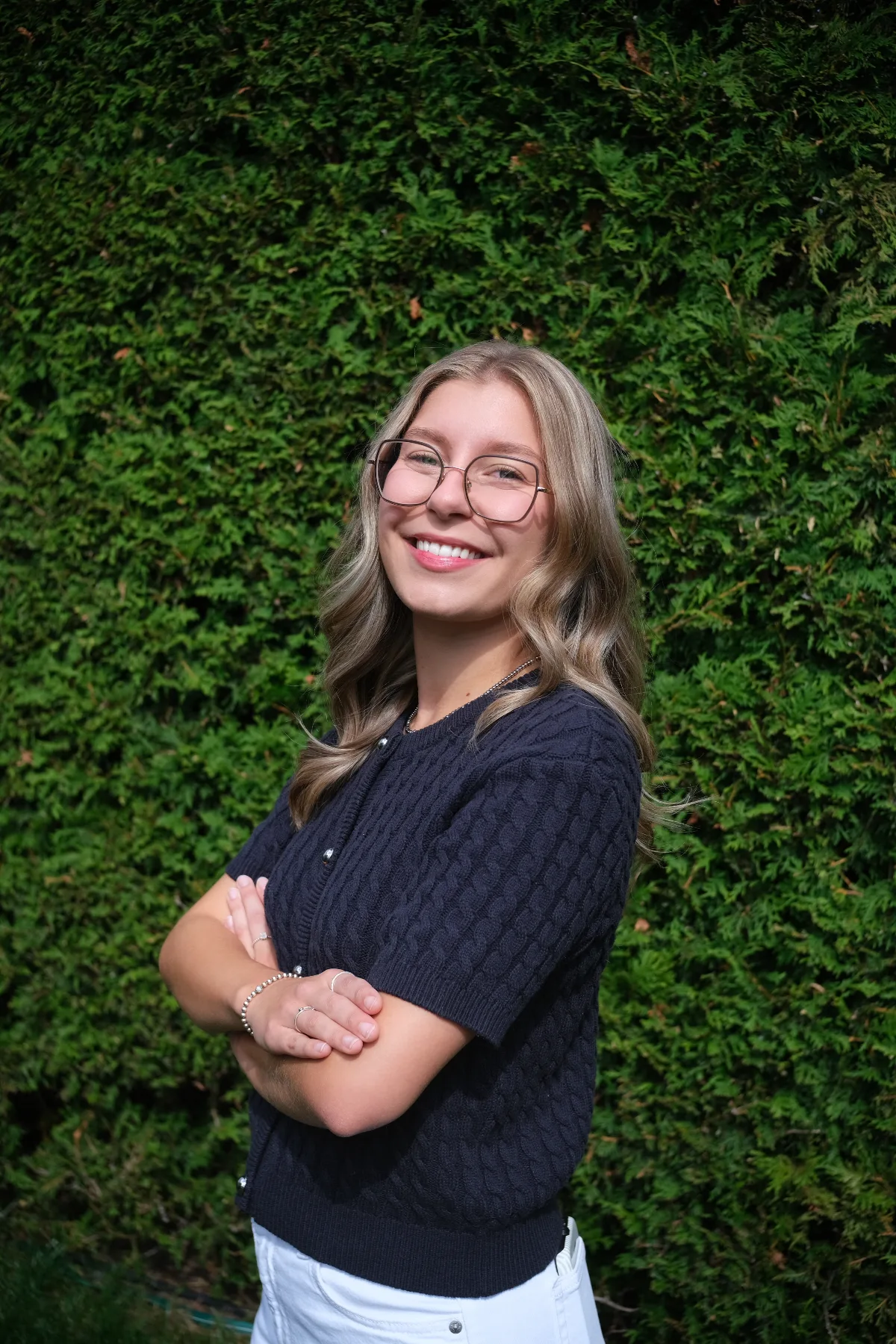
Décrire l'utilisation de l'IAg par les élèves du secondaire, et leurs effets sur la santé mentale
Since 2003, dozens of people—from undergraduate students to postdoctoral fellows—have been part of the laboratory.
View 45 supervised projectsWhat our projects leave behind
The laboratory’s credibility is reflected in its scientific output, but also in its ability to join the conversation and make knowledge useful.
Sophie Massé and colleagues empirically characterize resilience profiles among youth-protection workers.
Discover ↗International consensus · 2026A collective contribution bringing several theoretical traditions closer together.
Discover ↗Podcast · 2026Pierrich Plusquellec joins Le Réflexe Humain, an Antenne AXEL podcast.
Discover ↗Why a chameleon?
It changes with its environment without ceasing to be itself. Its eyes look in several directions. To us, it is a reminder that good research adapts its methods, combines perspectives, and remains attentive to context.
We call it LOCO. It keeps an eye on our blind spots.A question worth exploring?
Scientific collaboration, research setting, student project, or media request.
pierrich.plusquellec@umontreal.ca